26 years of practice · Israel · online worldwide
I bring people back from addiction — completely
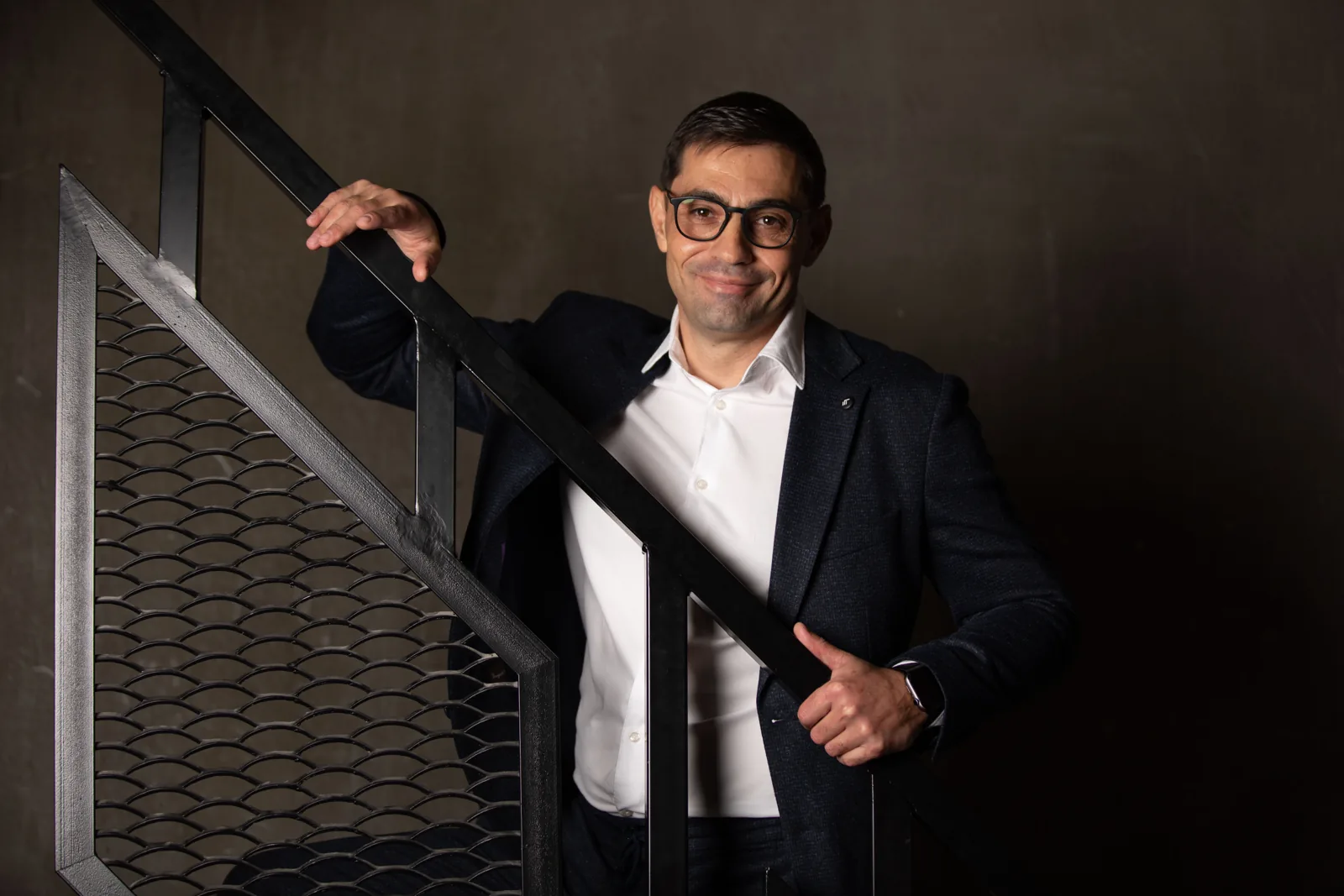
I am Viacheslav Sviadish, a motivational coach and founder of the IsraRehab recovery centre. I help families get a loved one into treatment, guide them through rehab and stay close during the first, most dangerous year afterwards.
- years of practice
- 26years of practice
- people helped
- 1000+people helped
- languages: RU · EN · HE
- 3languages: RU · EN · HE
- Israeli Ministry of Health licence
- № 16630Israeli Ministry of Health licence
Who I am and how I can help
Over 26 years, more than a thousand people have gone through my work — with alcohol, drug, gambling and prescription-drug addiction. I develop strategic addiction-treatment programmes and run the IsraRehab centre in Kiryat Ekron, a facility licensed by the Israeli Ministry of Health.
My focus is not only the person, but everything around them: a family that has lived in crisis for years, the conversation after which they agree to treatment, and life after discharge — where it is decided whether sobriety will last.
Learn more →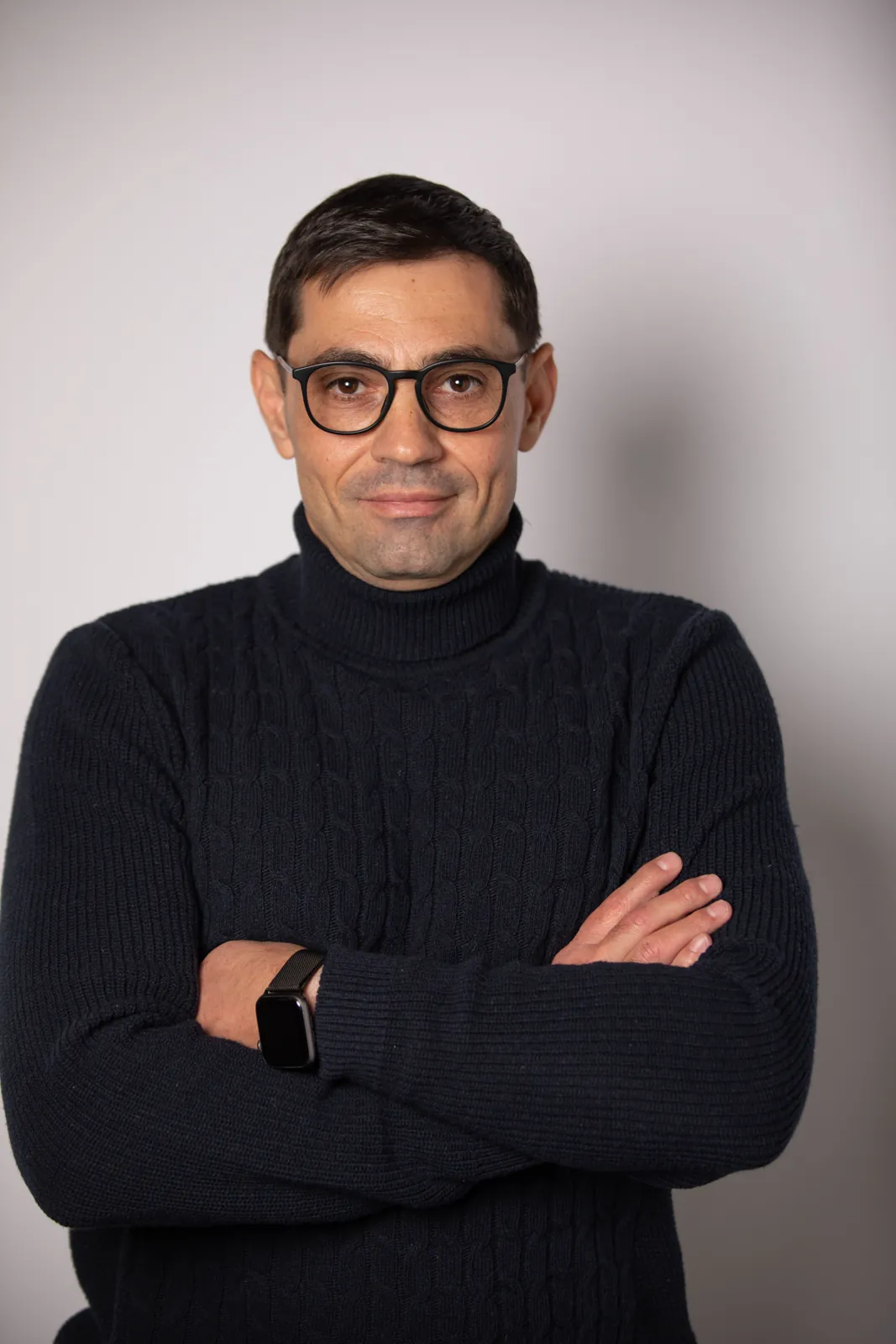
What I work on personally
Three areas I lead myself — from the first conversation with the family to stable sobriety.
Crisis intervention
A prepared family conversation after which the person agrees to get treatment.
Learn more →02Consultations for families
What to do when your husband drinks, your son uses, and every attempt to help only makes it worse.
Learn more →03Aftercare support
The first 12 months after discharge are the most dangerous. I stay close so that sobriety holds.
Learn more →How we start
You do not need to decide anything in advance. Just tell me what is happening — then we choose the way forward together.
- 1
You message or call
WhatsApp, Telegram, phone or the form on this site. Confidential, in Russian, English or Hebrew.
- 2
Free consultation
We go through the situation: who, what, for how long, what has been tried. Families often feel relief after the very first talk.
- 3
A clear plan
Intervention, treatment at the centre, family work or aftercare — you get concrete steps, not vague advice.
Addictions: signs and what families can do
Every addiction looks different, but the way out follows the same rules. Here you will find the warning signs, the mistakes families make, and how recovery actually works.
Alcoholism
How to recognise alcoholism in someone you love and what to do if they refuse help.
Learn more →Drug addiction
Signs of drug use in teenagers and adults, and what parents and loved ones can do.
Learn more →Gambling addiction
Online casinos, betting, debts and lies: how to recognise gambling addiction and protect your family.
Learn more →Prescription drug addiction
Sleeping pills, benzodiazepines, pregabalin and painkillers: when a prescribed medicine turns into an addiction.
Learn more →Cannabis addiction
Weed, hash, marijuana: when the "soft" drug stops being soft for the person and the family.
Learn more →Cocaine and stimulants
Cocaine, mephedrone, amphetamines: an addiction that quickly hits the mind, the heart, the finances and the family.
Learn more →Opioid addiction
Heroin, methadone, fentanyl and opioid painkillers: warning signs, overdose risk and the way to recovery.
Learn more →Dual diagnosis
When addiction comes together with depression, anxiety, bipolar disorder or another mental health condition.
Learn more →Codependency
When your life revolves around someone else's addiction: signs of codependency and how to get yourself back.
Learn more →The Full Return Method
Six pillars that recovery stands on. Remove any one of them and the person goes back to using. That is why the work does not stop at detox and is never limited to a single type of therapy.
- 1
Crisis intervention
People almost never come on their own. So the work starts earlier — with the family and a prepared conversation after which the decision to get treatment appears.
- 2
Family work and codependency
While loved ones rescue, cover up and pay off debts, recovery is impossible. The family learns to help without feeding the illness.
- 3
Three layers of therapy
Cognitive behavioural therapy, existential work and the 12-step programme. On its own, each approach often ends in relapse; together they cover behaviour, meaning and environment.
- 4
Physical recovery
Addiction breaks the dopamine system. Exercise, nutrition, sleep and yoga restore the ability to feel pleasure without a substance.
- 5
Aftercare support
The first 12 months after discharge are the most dangerous period. This is where most people relapse — and where most centres are no longer around.
- 6
Work and social reintegration
Sobriety without purpose, income and the right people around does not last. Returning to work, study and healthy relationships is part of treatment, not something for "later".
Detox is not treatment. It is preparation for treatment. Most centres stop exactly where the real work begins.
What graduates say
I want to express my gratitude to IsraRehab and especially to Slava for my new clean life, which began 12 years and a month ago. Back then I received a huge gift — the understanding that you can live without addiction and enjoy life!
In 17 years of using I went through many treatment facilities… I went just to tick a box so they would leave me alone, but after a week or two I slowly started listening to the counsellors… and as a result I have been in recovery for 8 years! A big human thank-you to all the clinic staff and to its founding spirit, Viacheslav…
To Slava — for his effective approach and the resilience he helped me build, and for explaining very simply exactly what I needed to do to stay sober… My family said I came out of there a different person.
Reviews published on the IsraRehab centre website: israrehab.com/otzyvy. Translated from Russian.
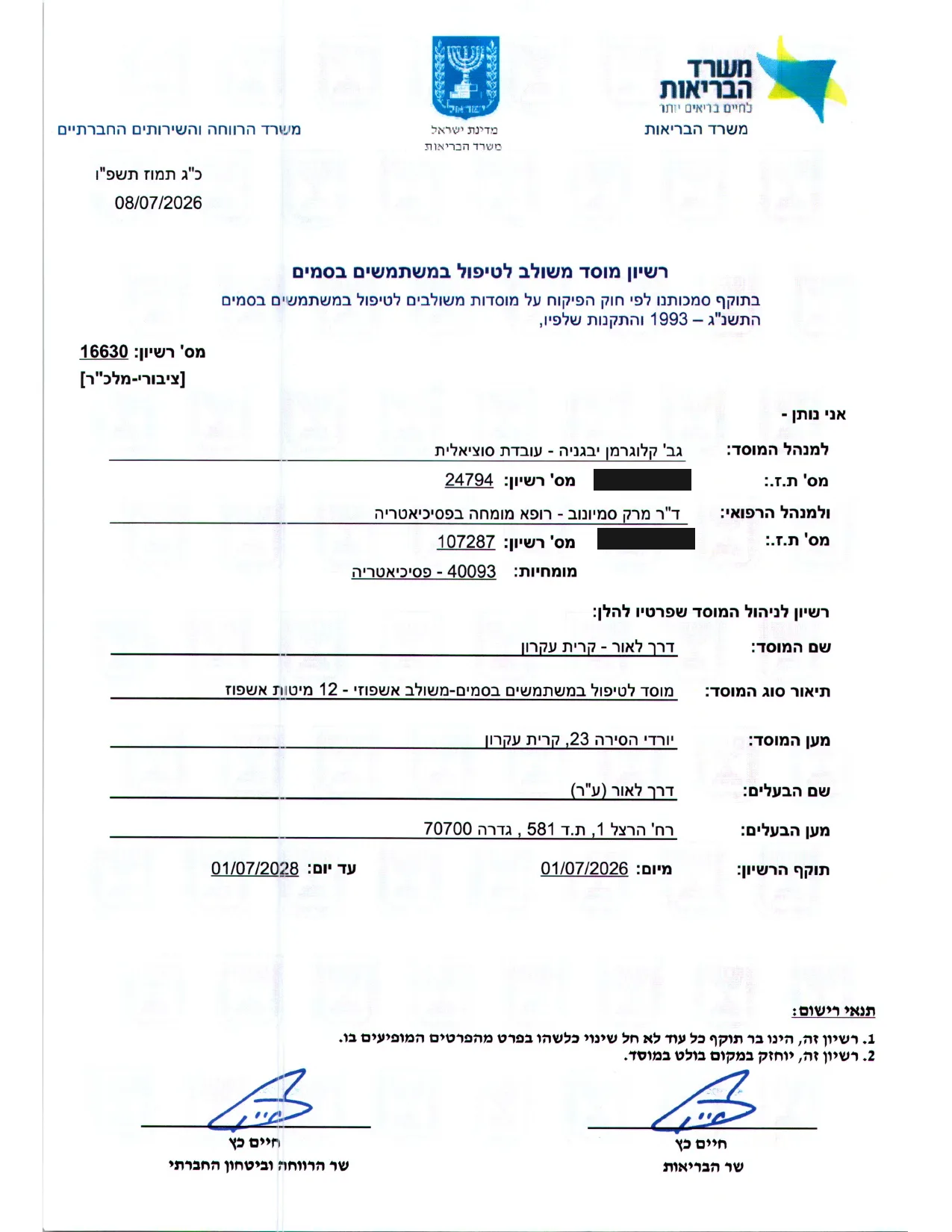
A licensed centre with verifiable documents
IsraRehab operates under Israeli Ministry of Health licence No. 16630 and holds essential-enterprise status. Every document number can be checked in Israel's public registries.
- • Ministry of Health licence No. 16630
- • Essential-enterprise status, code 647700
- • Association registration number: 580454460
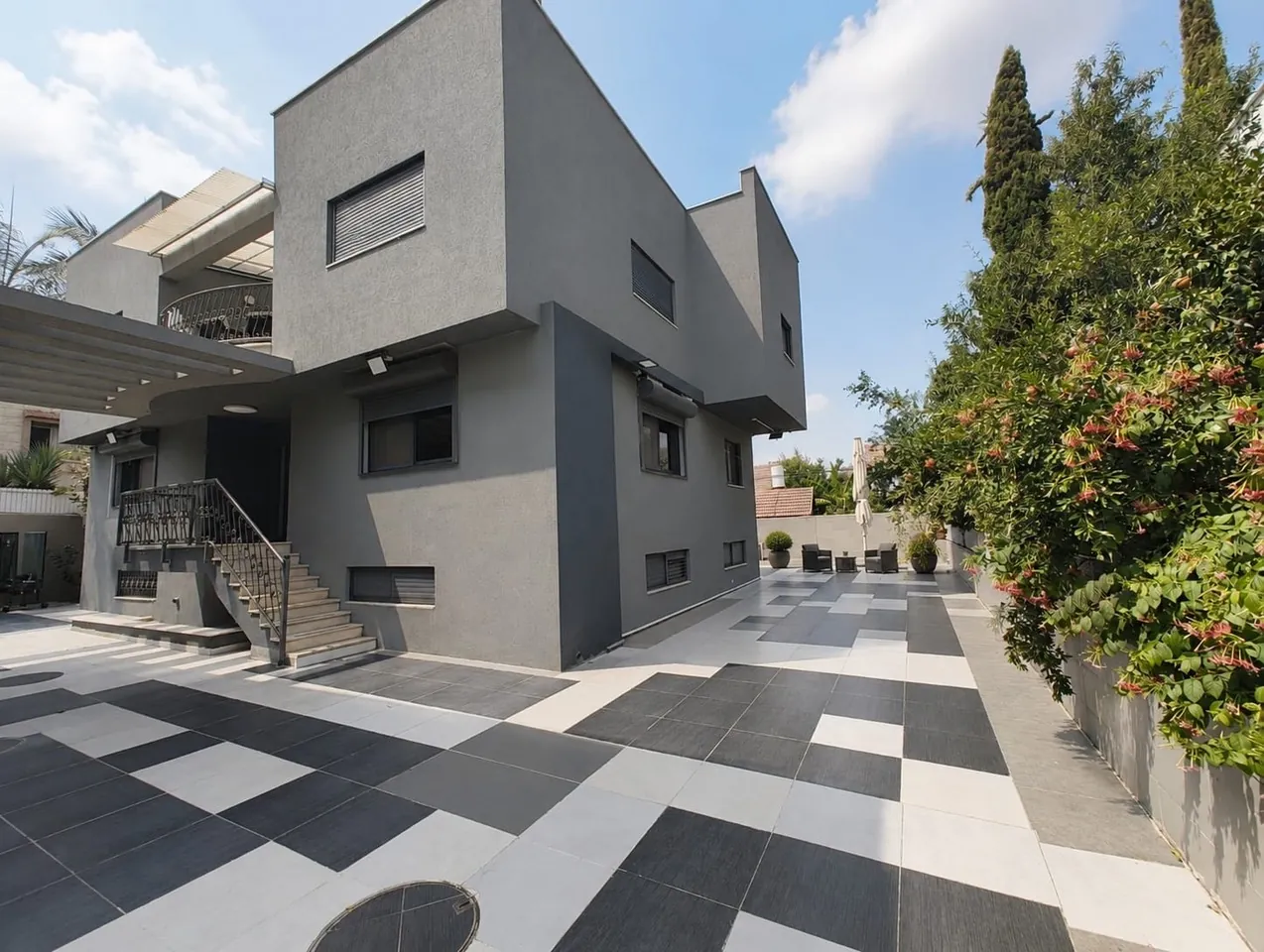
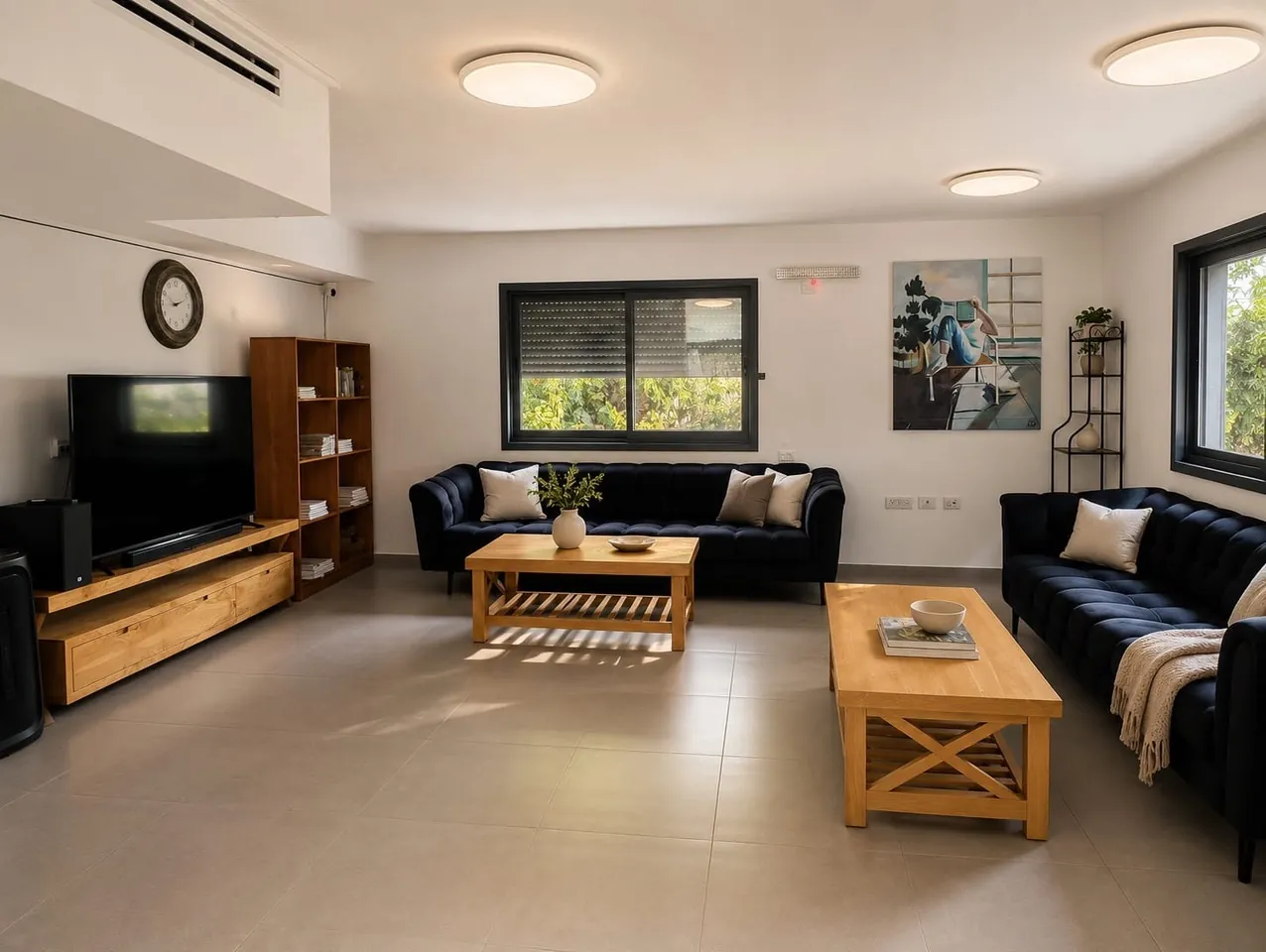
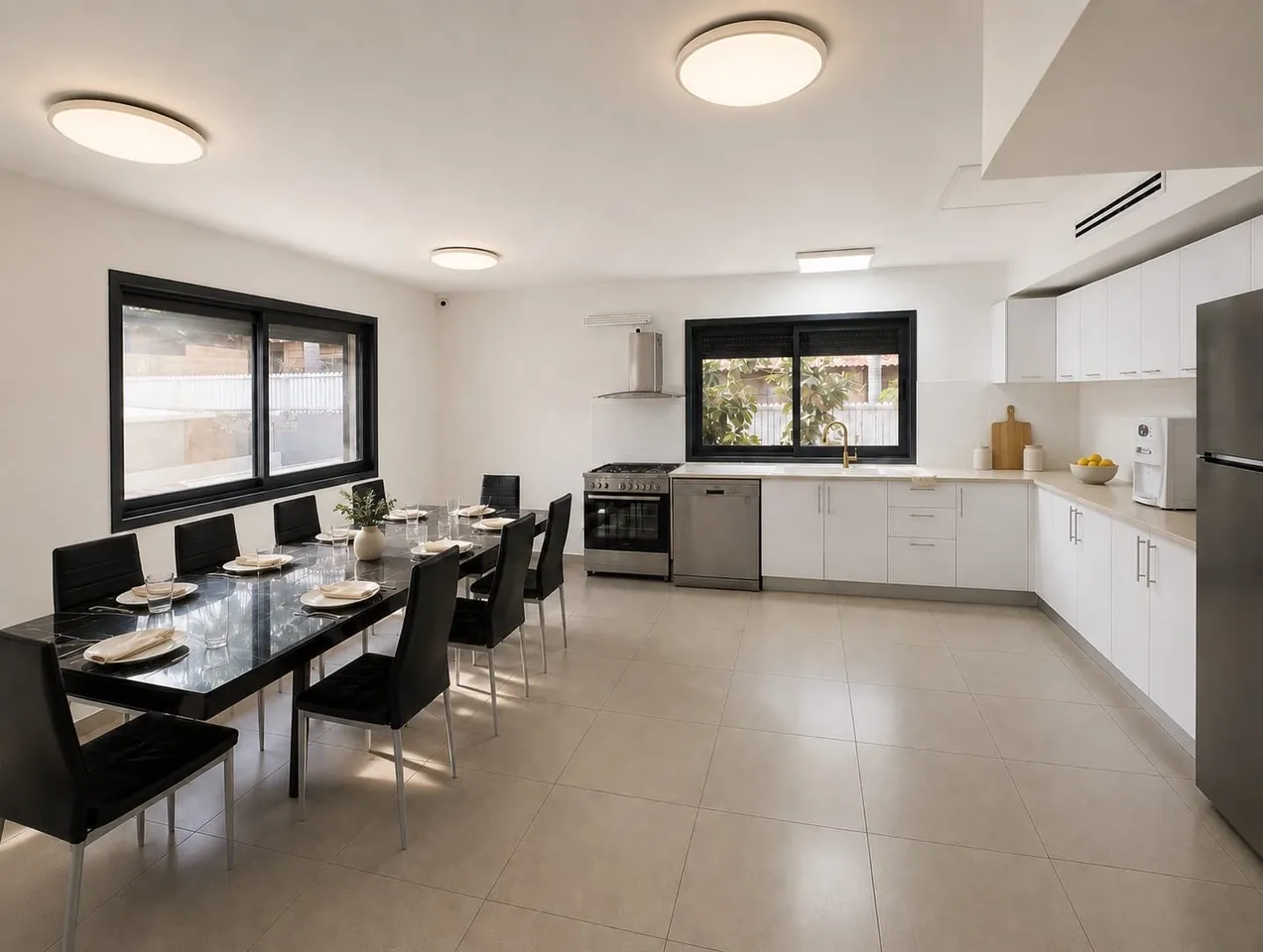
Inside the IsraRehab centre
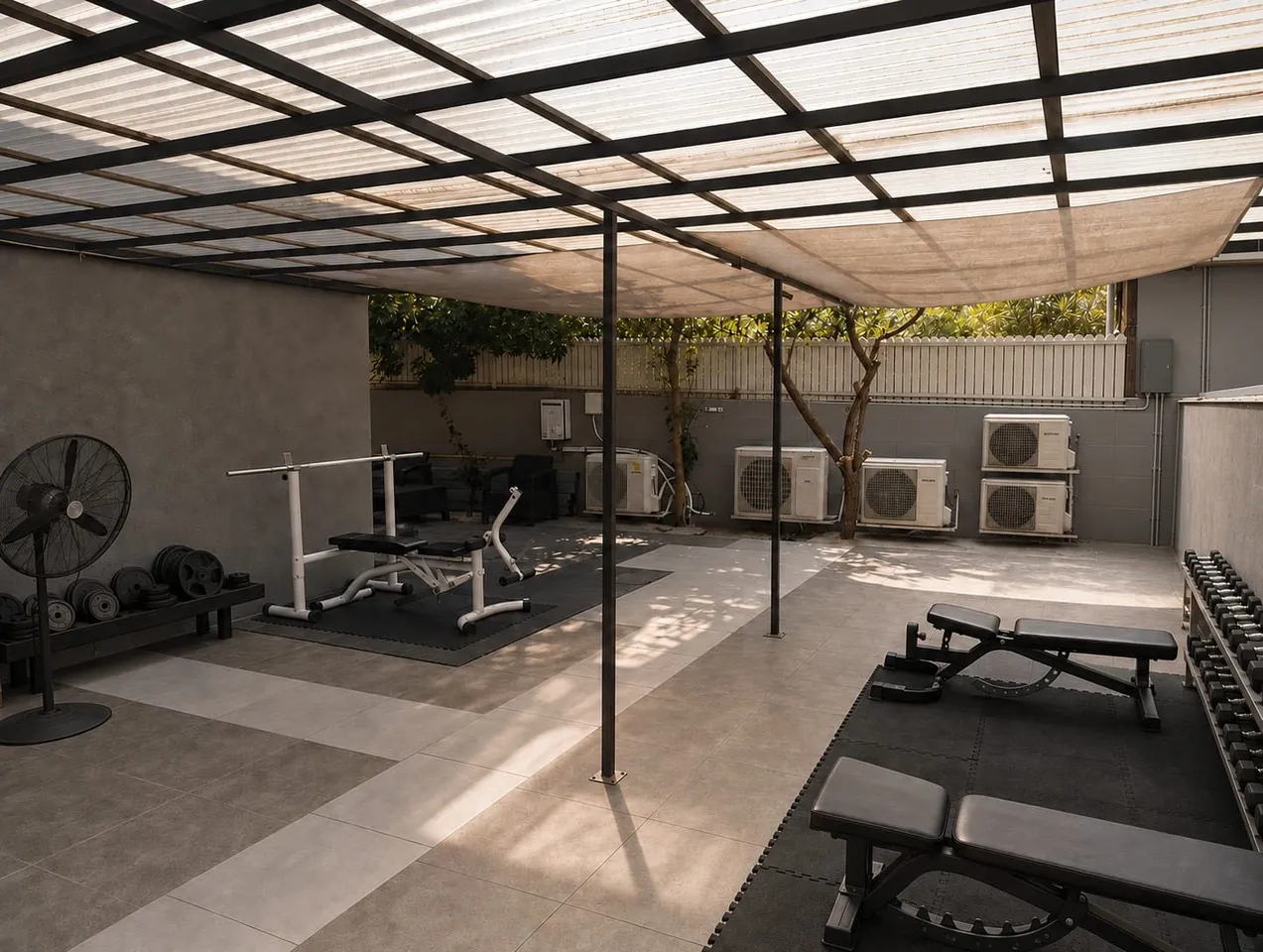
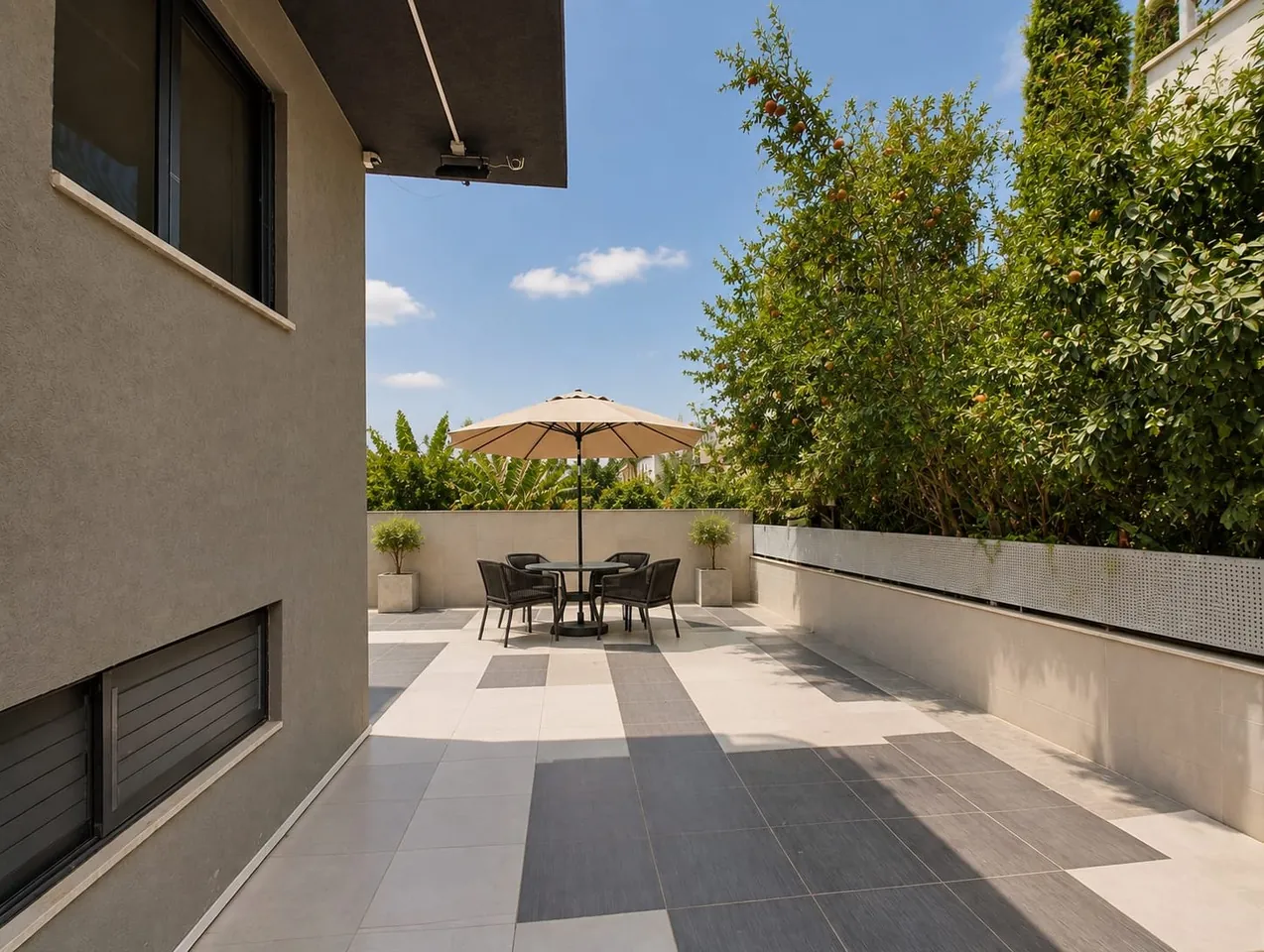
A private house with an enclosed garden, not a hospital ward. This is where people live, go through the programme and learn to live without the substance again.


Videos
Case breakdowns, recovery stories and answers to families' questions on the YouTube channel.
Videos are in Russian. Turn on subtitles (CC) → Settings → Auto-translate → English.
Frequently asked questions
What can I do if my loved one refuses treatment?
Start with a consultation for the family — without the person who is using. We will look at the situation, change how the family responds and, if needed, prepare a crisis intervention: a structured conversation after which the person agrees to start treatment.
Are you a doctor?
No. I am a motivational coach and developer of addiction-treatment programmes with 26 years of practice. The medical side — detox, psychiatric supervision, prescriptions — is handled at IsraRehab by licensed professionals under a medical director who is a psychiatrist.
Do you work with people outside Israel?
Yes. Consultations and aftercare take place online in Russian, English and Hebrew. If inpatient treatment is needed, we help arrange the trip to Israel: pick-up, transfer and everything in a language you understand.
How much does a consultation cost?
The first consultation is free. The cost of further work depends on the format and is discussed once the situation is clear.
Is everything confidential?
Completely. Information about clients and their families is never shared with third parties. The only exception is a direct threat to life.